Can a Root Canal Fail?
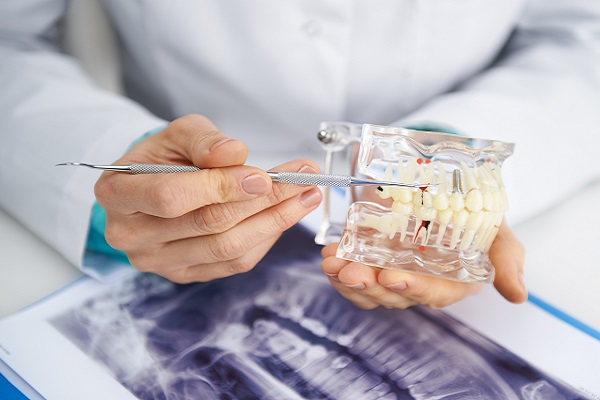
Needing to get a root canal but heard that they can fail? Yes, it is true that root canal therapy can fail. While this may be a little disheartening for you to hear, understand that the failure rate of root canals is very low. If you currently have a tooth that is in need of treatment, then it could be lost forever. So the more you learn about the root canal process, the more confident you should feel about having the procedure performed.
It is always ideal to save a tooth rather than lose it. This is because good oral health depends on having a full set of teeth.
Information about failed root canals
Signs that a root canal has failed
When a successful root canal is performed, it will take a dental patient about three to four days to recover. The area will remain sensitive over the next seven to ten days or so. When a root canal fails, instead of the area improving over the next few days after treatment has been performed, it will remain painful or even get worse.
Common signs that a root canal has failed:
- Swelling that will not subside after a couple of days
- A tenderness that will not go away after three to four days
- Experiencing pain when biting down or chewing soft foods
- Seeing a small white bump or a blister near the area
- The tooth feels loose or looser
Why would root canal therapy fail?
Root canals fail when all of the bacteria is not removed during the actual root canal or reenters the tooth after the root canal has been performed.
Common reasons for root canal failure:
- The removal of all bacteria inside the damaged tooth was not properly removed
- The dental filling fell out, which means the tooth is no longer protected
- The dental crown was not fitted correctly
- The tooth is now cracked or has further cracked, which means it is no longer protected
- In time, a root canal can fail when the patient does not provide themselves with the proper oral care, which creates more dental decay
Retreatment options
When a root canal fails, there are retreatment options available. In order for a dentist to determine which treatment a dental patient will need, they will need to fully evaluate the situation.
The most common retreatment option includes redoing the root canal. Another option includes performing a more in-depth root canal procedure, which involves a dentist performing a minimally invasive surgical procedure that can give them access to the root canal through the gums. The last option is to extract the tooth from the mouth and is considered to be the last resort.
Have any questions we can answer for you?
If you are currently in need of a root canal, it is necessary for you to understand all the benefits as well as the drawbacks. While the failure rate of root canals is very low, there is always a possibility. If you have concerns about having a root canal, what we suggest is for you to find a dentist who you feel completely confident in providing you with this dental procedure. You can do this is by asking friends and family who have had a root canal performed for their opinion or by looking at a dentist’s reviews.
Know that our dentists have many years of performing successful root canals, so we invite you to make a consultation appointment so you can ask any questions you may have about the procedure.
Request an appointment here: https://stunningsmilesoflakeforest.com or call Stunning Smiles of Lake Forest at (949) 900-1740 for an appointment in our Lake Forest office.
Check out what others are saying about our services on Yelp: Read our Yelp reviews.
Related Posts
Invisalign® is gaining a large following because of its comfort and efficiency. More and more patients want to know how this system works. Knowing how this type of teeth straightening works can help motivate you to set your next appointment. Here are the details about how Invisalign straightens teeth.Research shows that this dental straightening system…
Research shows that Invisalign® is the most effective clear aligner brand on the market. Most patients choose these aligners over traditional braces. This dental straightening system can provide a comfortable and fast treatment. Knowing what the procedure is about can help prepare you for your upcoming Invisalign appointment.This clear aligner system uses flexible, thermoplastic material.…
Invisalign® has emerged as one of the most popular alternatives to traditional metal braces. These teeth-straightening devices are virtually invisible when worn, as their name suggests, yet they can fix many of the teeth alignment issues braces have historically been used for.Examples of orthodontic issues Invisalign can be used to fix include crooked, crowded, poorly…
Invisalign® has been a game-changer in orthodontic treatments, offering a more discreet and comfortable solution for teeth alignment. While people may wonder if Invisalign is a more effective treatment for teens or adults, there are multiple factors to determine whether a patient is a candidate for Invisalign.One of the significant benefits of Invisalign is its…