Implant Dentistry: The Single Tooth Replacement Process
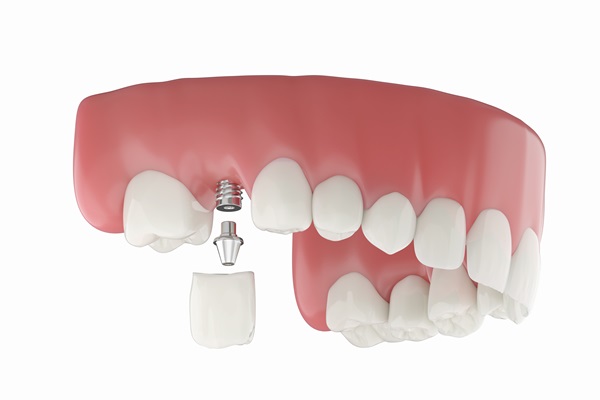
Implant dentistry procedures have the highest rate of success among all the options available for replacing missing teeth. The process of replacing a single missing tooth is straightforward and involves using an implant as artificial tooth roots and supporting it with a dental crown. Continue reading to learn how the process works.
Implant dentistry and tooth replacement
Regardless of the number of teeth to be replaced, the dental implant procedure typically involves three main stages.
1. Preparation
Once the dentist has determined that using dental implants is the right option, they will take digital x-rays and sometimes CT scans to get a complete overview of the patient’s bone structure, density, and supporting tooth structures. If the damaged tooth is still present on the jaw, it will need to be removed before the implants are placed.
2. Placing the implant
The process of placing a single tooth implant takes between 30 minutes to an hour. Patients will be given a local anesthetic to minimize discomfort during the procedure. The dentist will make an incision in the gums to create an access hole for the implant post, which will be inserted into the jawbone. Over the following months, the bone will grow around the implant naturally to hold it in place.
When osseointegration is complete, another procedure will be required to place the abutment, which is the piece that connects the crown to the dental implant. The process is minor and usually done on an outpatient basis. It can be done immediately after placing the implants or weeks later.
3. Placing the crown
The final stage of the implant procedure is to attach the artificial tooth restoration. The dentist will take impressions of the patient’s teeth to fabricate a custom dental crown that blends with the rest of the teeth. Depending on the situation, a temporary or permanent dental crown may be attached, either immediately after inserting the implant or some weeks later.
Modern technology and techniques in implant dentistry allow patients who are getting a single tooth replacement to get an implant and temporary crown in one appointment. This case allows for a seamless treatment, allowing patients to leave the office with a complete smile.
After some weeks, when the jaw has healed sufficiently, and the permanent crown is ready, patients can return for another appointment. The permanent crown can be screw or cement-retained, although the former is usually preferred for hygienic reasons.
Once the permanent crown is in place, patients can perform dental functions as usual. The implant and replacement tooth will function like natural teeth. The only clause is to keep up with oral health routines to keep the mouth healthy.
The benefits of single-tooth implant replacement include:
- No harm to existing teeth, unlike with a dental bridge
- Preservation of jawbone structure
- Better stability and strength
- Dental implants are indistinguishable from natural teeth
Ready to replace your missing tooth?
Every smile is unique, as is every treatment recommendation. The dentist will consider factors such as oral and overall health, bone density, and position of the lost tooth before recommending implant dentistry. Schedule a consultation today to learn more.
Request an appointment here: https://stunningsmilesoflakeforest.com or call Stunning Smiles of Lake Forest at (949) 900-1740 for an appointment in our Lake Forest office.
Check out what others are saying about our dental services on Yelp: Implant Dentistry in Lake Forest, CA.
Related Posts
Dental implants are used as a way to restore teeth that have been severely damaged. They have grown in popularity over the years because they offer an alternative way to tooth restoration. While they are popular, they do have their own downfalls. As with any dental procedure, there are always aspects of it that may not…
Invisalign® is gaining a large following because of its comfort and efficiency. More and more patients want to know how this system works. Knowing how this type of teeth straightening works can help motivate you to set your next appointment. Here are the details about how Invisalign straightens teeth.Research shows that this dental straightening system…
Research shows that Invisalign® is the most effective clear aligner brand on the market. Most patients choose these aligners over traditional braces. This dental straightening system can provide a comfortable and fast treatment. Knowing what the procedure is about can help prepare you for your upcoming Invisalign appointment.This clear aligner system uses flexible, thermoplastic material.…
Invisalign® has emerged as one of the most popular alternatives to traditional metal braces. These teeth-straightening devices are virtually invisible when worn, as their name suggests, yet they can fix many of the teeth alignment issues braces have historically been used for.Examples of orthodontic issues Invisalign can be used to fix include crooked, crowded, poorly…